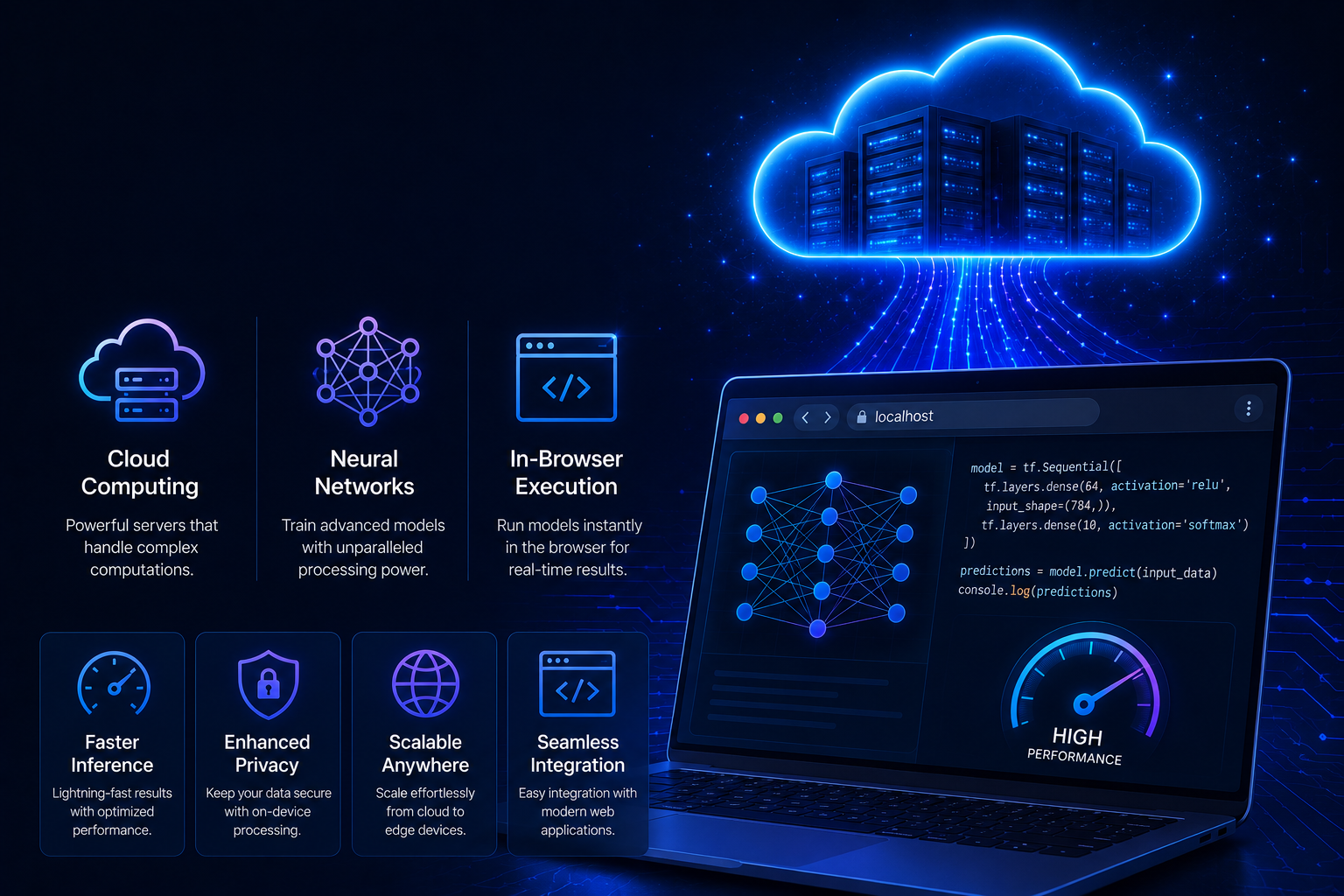
The rapid evolution of artificial intelligence (AI) has led to its integration in various mobile applications, revolutionizing the way we interact with our devices. AI enables apps to learn user behavior, provide personalized experiences, and even predict future needs. However, the placement of AI processing units has become a crucial aspect to consider: on-device or on-server? In this article, we’ll delve into the differences between these two approaches and explore their implications for mobile app development.
The On-Device Approach: Processing Power at Your Fingertips
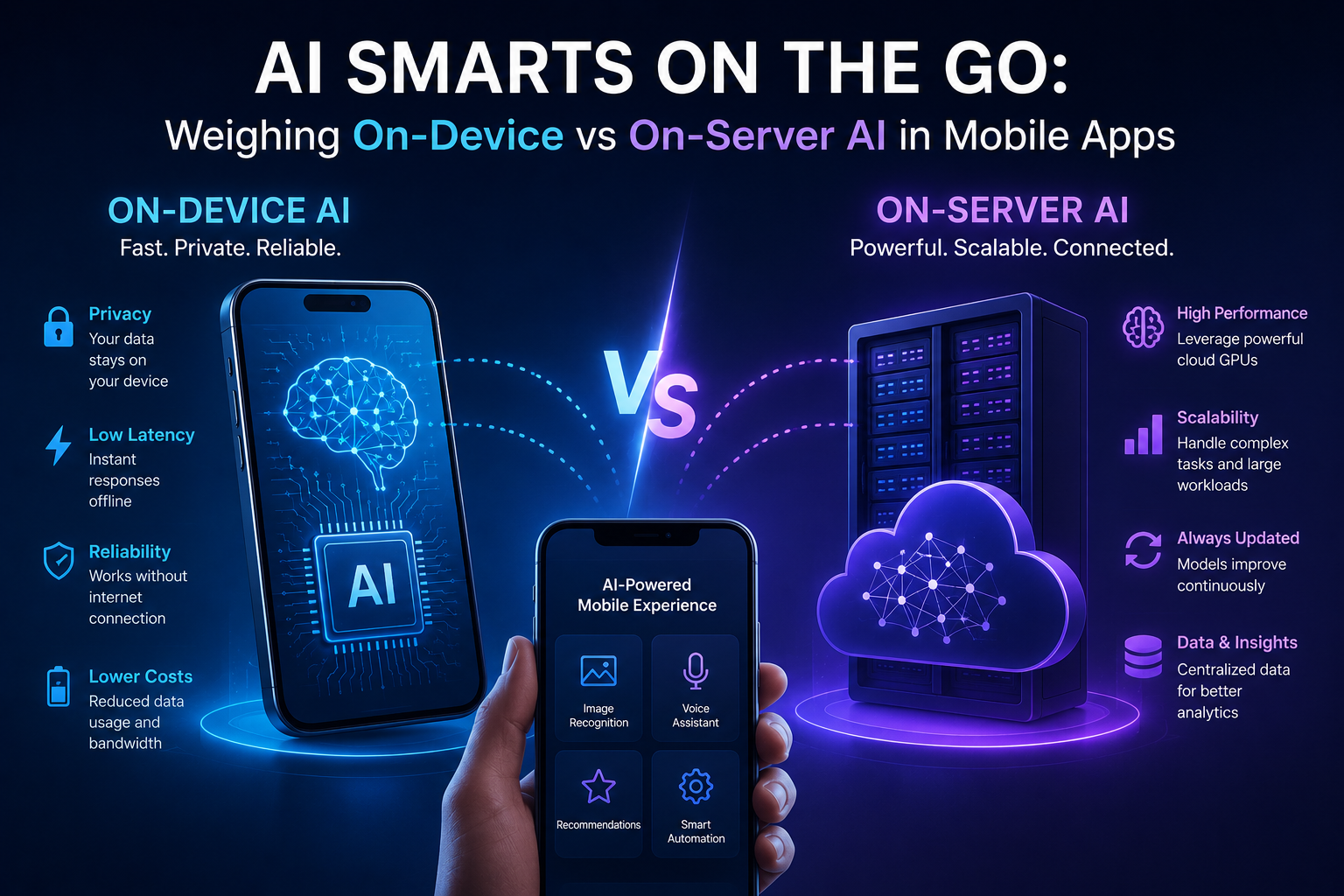
On-device AI processing involves handling AI computations directly on the user’s device. This approach offers several benefits:
- Offline Accessibility: Users can access AI-driven features even without an internet connection.
- Privacy and Security: Sensitive user data is stored locally, reducing the risk of data breaches.
- Faster Response Times: AI-driven insights are generated in real-time, improving the overall user experience.
- Reduced Latency: Data doesn’t have to travel through servers, minimizing delays and providing a smoother experience.
However, on-device AI does come with some drawbacks. For instance,:
- Power Consumption**: On-device AI processing may increase battery drain, especially for resource-intensive applications.
- Storage Requirements**: AI models can be large and require significant storage space on the device.
The On-Server Approach: Cloud-Based Intelligence
On-server AI processing, on the other hand, relies on remote servers to handle AI computations. This approach offers its own set of advantages:
- Scalability**: Server-based AI can handle vast amounts of data and scale more easily to accommodate large user bases.
- Cost-Effectiveness**: Developing and maintaining on-server AI is often more cost-efficient than on-device solutions.
- Centralized Management**: Server-based AI enables easier management and updates of AI models across the entire user base.
However, on-server AI also comes with its own set of challenges:
- Dependence on Internet Connection**: Users require a stable internet connection to access AI-driven features.
- Data Security Risks**: Sensitive user data is transmitted to and stored on remote servers, increasing the risk of data breaches.
- Latency and Response Times**: AI-driven insights may be delayed due to data transmission and processing times.
The Sweet Spot: Hybrid Approach
Instead of choosing between on-device and on-server AI, some mobile apps opt for a hybrid approach. This involves:
- Edge AI**: Processing AI computations at the edge of the network, reducing latency and improving response times.
- Cloud-Augmented AI**: Supplementing on-device AI with cloud-based intelligence to access more data and improve accuracy.
A hybrid approach can offer the best of both worlds, enabling developers to strike a balance between local processing and cloud-based intelligence.
Conclusion
The debate between on-device and on-server AI in mobile apps is not a simple one. While each approach has its advantages and disadvantages, it ultimately depends on the specific needs and goals of the application. By understanding the trade-offs involved, developers can make informed decisions about where to place AI processing units and create more engaging, efficient, and secure mobile experiences. At Netiquette Info Solutions, we’re committed to exploring the latest AI trends and helping businesses navigate the ever-evolving landscape of mobile app development.